%2Ffit-in%2F250x250%2Fusers%2Fd3e619b0-8e8d-4821-a2b5-713328e40ea1%2Fimages%2F2ee1b028-3a66-4310-9982-4d7ec98aba56.jpg&w=1920&q=100)
/users/d3e619b0-8e8d-4821-a2b5-713328e40ea1/ratecard/1a00c5c0-722b-45cf-a47f-8e47ac980d24.jpg)
%2F300x300%2Fusers%2Fd3e619b0-8e8d-4821-a2b5-713328e40ea1%2Fratecard%2F1a00c5c0-722b-45cf-a47f-8e47ac980d24.jpg&w=256&q=75)
%2F300x300%2Fusers%2Fd3e619b0-8e8d-4821-a2b5-713328e40ea1%2Fimages%2Fredfish-catch-st-bernard-louisiana-4013.png&w=256&q=75)
%2F300x300%2Fusers%2Fd3e619b0-8e8d-4821-a2b5-713328e40ea1%2Fimages%2Fredfish-catch-st-bernard-louisiana-12091.png&w=256&q=75)
%2F300x300%2Fusers%2Fd3e619b0-8e8d-4821-a2b5-713328e40ea1%2Fimages%2Fcajun-outcast-redfish-charter-logo-2575.jpg&w=256&q=75)
%2F300x300%2Fusers%2Fd3e619b0-8e8d-4821-a2b5-713328e40ea1%2Fimages%2Fhopedale-redfish-fishing-tour-2723.jpg&w=256&q=75)
%2F300x300%2Fusers%2Fd3e619b0-8e8d-4821-a2b5-713328e40ea1%2Fimages%2Fhopedale-redfish-fishing-tour-2666.jpg&w=256&q=75)
%2F300x300%2Fusers%2Fd3e619b0-8e8d-4821-a2b5-713328e40ea1%2Fimages%2Fredfish-fishing-hopedale-louisiana-success-2857.jpg&w=256&q=75)
%2F300x300%2Fusers%2Fd3e619b0-8e8d-4821-a2b5-713328e40ea1%2Fimages%2Fhopedale-redfish-fishing-success-2780.jpg&w=256&q=75)
%2F300x300%2Fusers%2Fd3e619b0-8e8d-4821-a2b5-713328e40ea1%2Fimages%2Fspadefish-catch-hopedale-louisiana-2701.jpg&w=256&q=75)
%2F300x300%2Fusers%2Fd3e619b0-8e8d-4821-a2b5-713328e40ea1%2Fimages%2Fhopedale-trout-redfish-catch-2812.jpg&w=256&q=75)
%2F300x300%2Fusers%2Fd3e619b0-8e8d-4821-a2b5-713328e40ea1%2Fimages%2Fredfish-catch-st-bernard-louisiana-7417.png&w=256&q=75)
4-Person Inshore Charter with Cajun Outcast
 Hopedale, LA, USA
What you will be catching:
 Black Drum
 Redfish
 Sea Trout
 Sheepshead
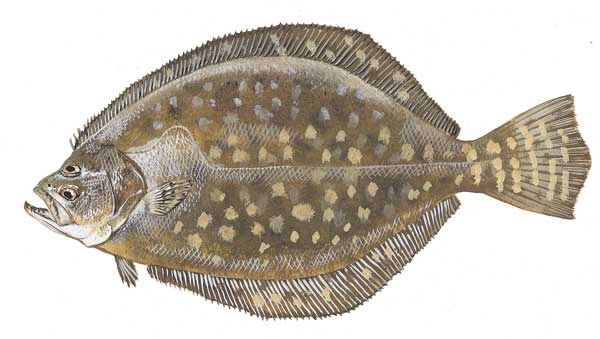 Southern Flounder
- 7-hour inshore charter targeting speck, redfish, flounder, black drum
- Full-service experience includes fish cleaning and icing services
- Small group charter accommodates maximum 4 guests with professional guide
Trip Pricing and Availabilities:
4-Person Inshore Charter with Cajun Outcast
If you're looking for a top-rated inshore fishing adventure that gets you on the water at first light, Captain Chad St.Pe has got you covered. This 4-person charter with Cajun Outcast Inshore Charters is perfect for small groups who want to experience some of the best inshore fishing around. You'll spend up to 7 hours targeting the region's most sought-after species including speckled trout, redfish, flounder, and black drum. Captain Chad knows these waters like the back of his hand, and he'll have your catch cleaned, bagged, and iced down before you head home.
What to Expect on the Water
We're talking about a serious fishing trip here - none of that tourist boat nonsense. Captain Chad will have you pushing off from the dock right at safe light, which means you'll be on the water when the fish are most active. The early morning bite is legendary in these parts, and that's when you'll find the best action. With up to 7 hours on the water, there's plenty of time to work different spots and adjust tactics based on what the fish are doing. The 4-person limit keeps things intimate and ensures everyone gets plenty of rod time. Captain Chad runs a clean operation, so you don't need to worry about bringing coolers or cleaning your catch - he handles all of that for you.
Tackle and Techniques
Captain Chad comes equipped with all the gear you'll need for a successful day of inshore fishing. We're talking about light to medium tackle that's perfect for the species we're targeting - spinning reels spooled with braided line and fluorocarbon leaders that won't spook these finicky inshore fish. Depending on conditions and what's biting, you might be working live bait under popping corks, throwing soft plastics on jig heads, or sight fishing with topwater lures. The beauty of inshore fishing is the variety - one minute you're working a grass flat for specks, the next you're sight casting to tailing redfish in skinny water. Captain Chad reads the tides, wind, and structure to put you on fish throughout the day.
Species You'll Want to Hook
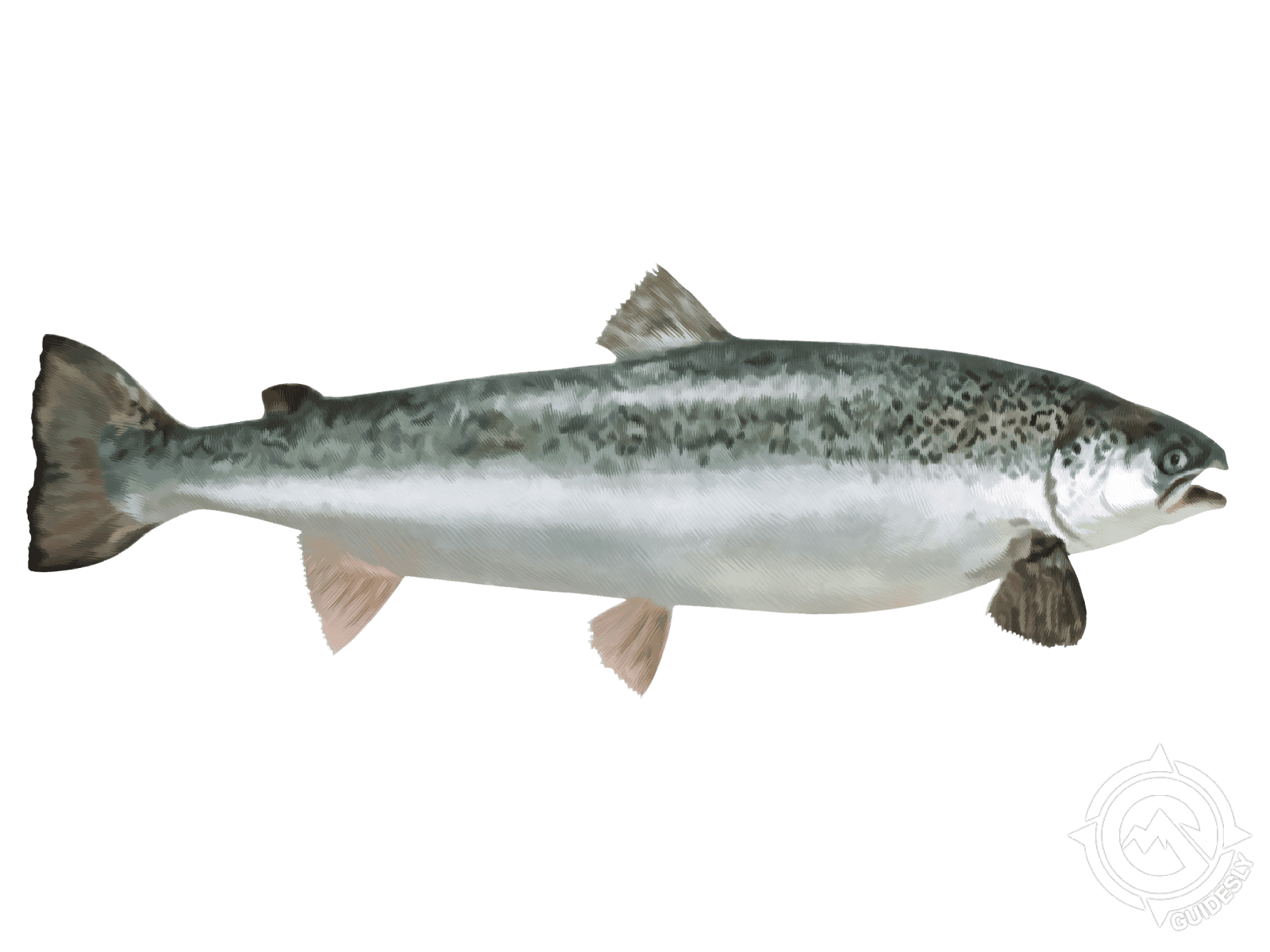
Speckled trout are the bread and butter of inshore fishing, and for good reason. These spotted beauties love structure and grass flats, especially during the cooler months when they school up in deeper holes. They're aggressive feeders that'll hit everything from live shrimp to soft plastic paddle tails. What makes specks so fun is their fighting spirit - they'll jump, shake their heads, and make blistering runs that'll test your drag. Most fish run 14-20 inches, but when you hook into a "gator trout" over 20 inches, you'll know it immediately.
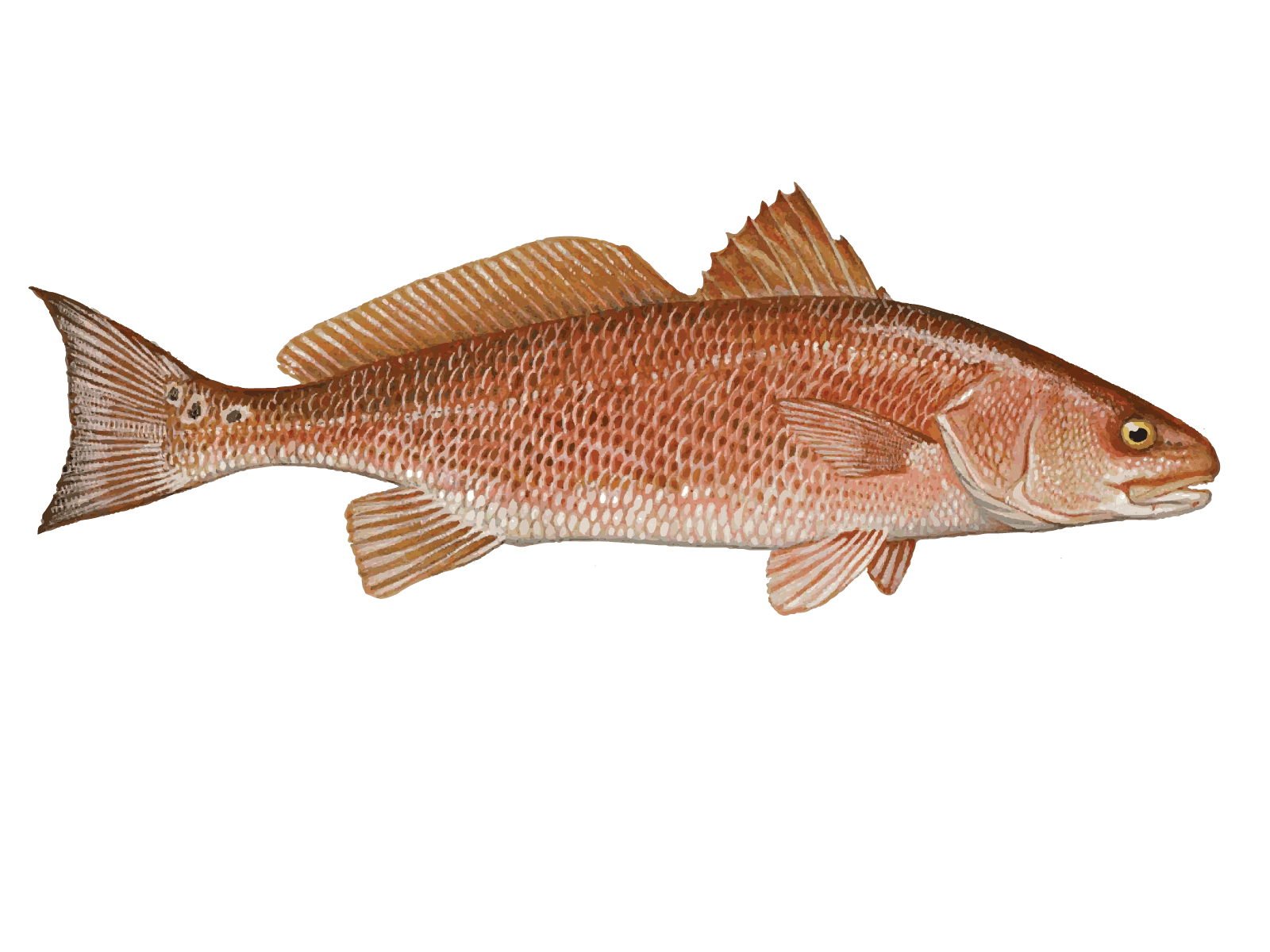
Redfish are the crown jewel of inshore fishing and every angler's favorite target. These copper-colored bulldogs are famous for their powerful runs and stubborn fights. They cruise shallow flats, oyster bars, and marsh edges looking for crabs and baitfish. Fall and spring offer the best action when reds are feeding heavily. What gets anglers hooked on redfish is the visual aspect - watching a red's back and tail break the surface as it feeds in skinny water never gets old. These fish average 20-30 inches and will put a serious bend in your rod.
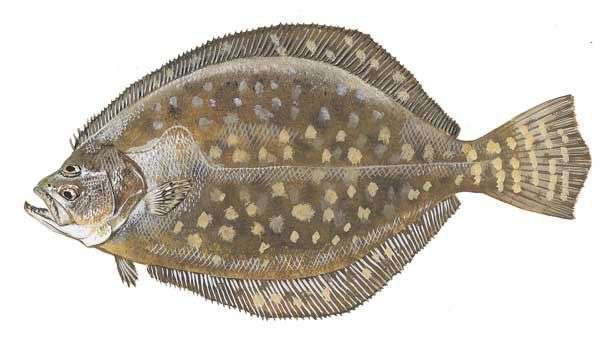
Southern flounder are the chameleons of the inshore world, lying perfectly camouflaged on sandy bottoms waiting to ambush prey. These flatfish are most active during their fall migration when they move toward deeper water. They're structure-oriented fish that love bridge pilings, channel edges, and drop-offs. Flounder fishing requires patience and the right technique - slow-rolling soft plastics along the bottom or bouncing live finger mullet near structure. When a flounder hits, it feels like you've snagged the bottom until it starts that distinctive head-shaking fight.
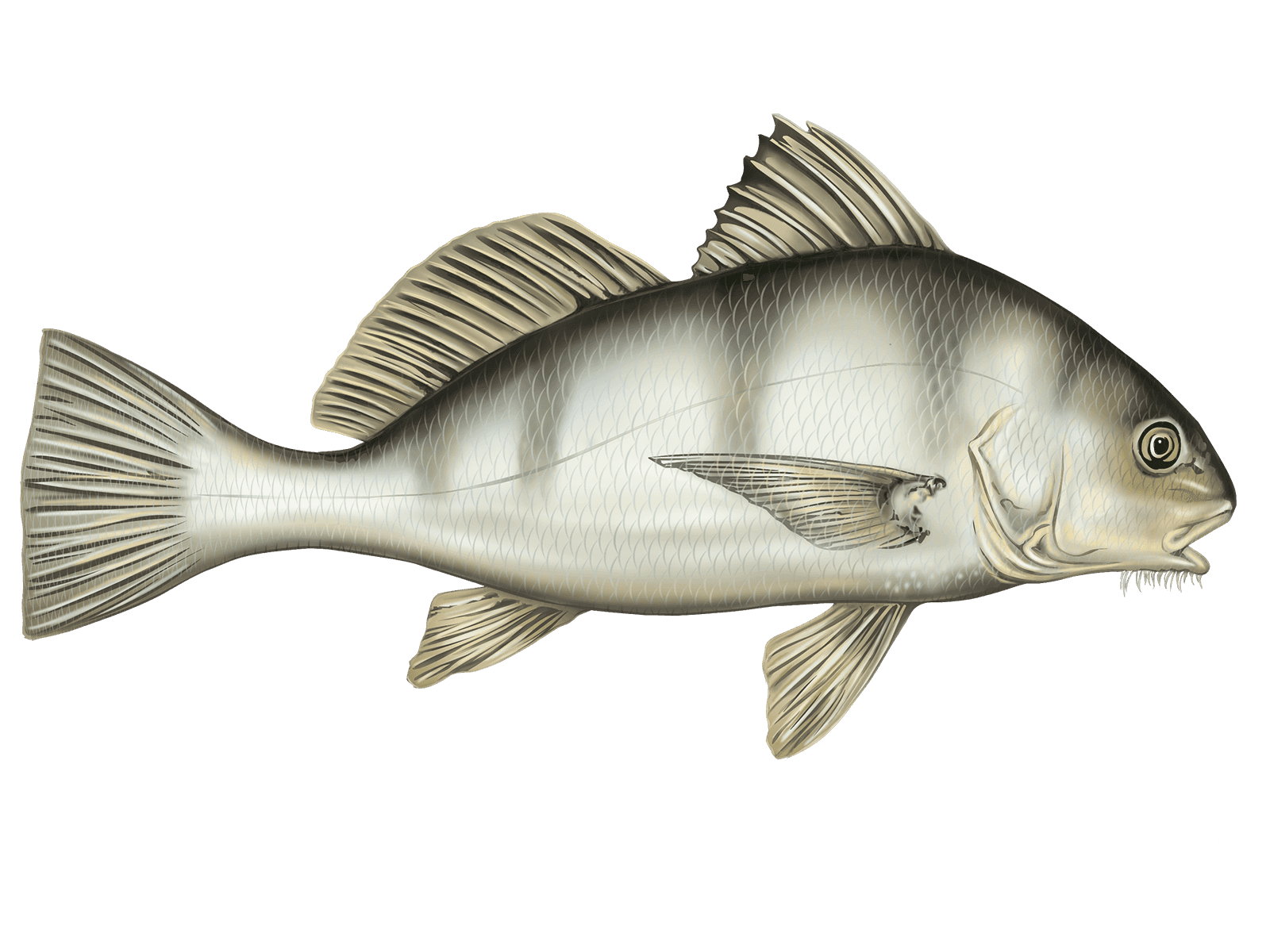
Black drum are the heavyweights of the inshore scene, with larger fish capable of putting up fights that'll leave your arms aching. These bottom feeders cruise oyster reefs and shallow flats looking for crabs and mollusks. They're more active during cooler months and can be incredibly finicky about bait presentation. What makes black drum special is their size potential - while you'll catch plenty of smaller "puppy drum," the big bulls can weigh 20-40 pounds and provide world-class fights on light tackle.
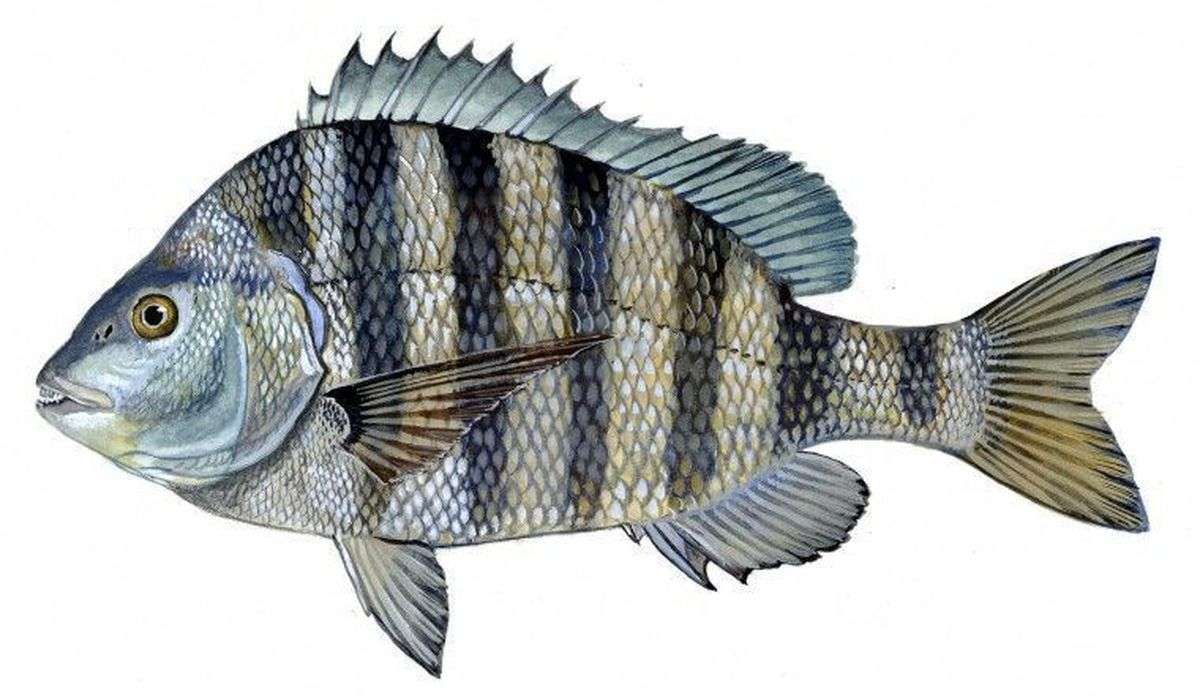
Sheepshead are the inshore tricksters with human-like teeth and a knack for stealing bait. These black-and-white striped fish are structure junkies that love oyster bars, docks, and bridge pilings where they feed on barnacles and crabs. They're most active during cooler months and require precise bait presentation with light tackle. What frustrates and fascinates anglers about sheepshead is their ability to pick bait clean off your hook - when you finally hook one, it's incredibly satisfying. They're also excellent table fare with firm, white meat.
Time to Book Your Spot
This customer favorite charter with Captain Chad St.Pe delivers everything you want in an inshore fishing experience - early morning action, multiple species, and a guide who knows how to put you on fish. The 4-person limit means you're getting personalized attention and plenty of opportunities to land fish. With tackle provided and your catch cleaned and iced, all you need to bring is your fishing license and enthusiasm. Whether you're targeting your first redfish or you're a seasoned angler looking for consistent action, this world-class inshore charter delivers. Book your spot with Cajun Outcast Inshore Charters and get ready for a day of fishing you'll be talking about for years.
Learn more about the species
Black Drum
Black drum are the heavyweights of our inshore waters, typically running 5-30 pounds but capable of hitting 50+ pounds. These dark, powerful fish cruise shallow muddy flats, oyster beds, and around structure in 1-15 feet of water. They're bottom feeders with crushing jaws built for crabs and shellfish. Spring is prime time when they school up for spawning - that's when you'll find the best action. What makes them special is their fighting power and the drumming sound they make underwater. Smaller ones under 15 pounds eat great, but the big ones get tough. Here's the key: use fresh crab or cut bait right on the bottom with enough weight to stay put. When you feel that subtle tap-tap, don't set the hook immediately - let them take it and turn before you pull.
Redfish
Redfish are the crown jewel of shallow water fishing, with their copper-bronze backs and distinctive black spots near the tail. Most slot fish run 18-27 inches, but we also target the bigger bulls that can push 40+ inches and 30 pounds. They love super shallow flats, oyster bars, and marshy areas in 1-4 feet of water - sometimes so shallow their backs show above the surface. Year-round fishing is good, but fall and spring offer the most consistent action. What makes reds special is their power and that explosive topwater strike when they crush a plug in skinny water. They're also excellent eating in the slot size range. My go-to technique: work topwater plugs or soft plastics around oyster beds during moving tides. Keep your presentations slow and deliberate - reds aren't speed demons but they'll hammer a well-placed bait.
Sea Trout
Speckled trout are our bread-and-butter fish, running 14-24 inches and 1-5 pounds on average. These spotted beauties love grass flats and shallow waters, especially around structure and drop-offs. They feed heavily on shrimp, small crabs, and baitfish. Best action happens during moving tides in 2-8 feet of water, with early morning and late evening being prime time. Cooler months find them schooled up in deeper channels. Guests love specks because they hit hard, fight well for their size, and are some of the best eating fish around - tender, flaky white meat that's hard to beat. The soft mouth means you can't horse them, but that's part of the fun. Pro tip: use live shrimp under a popping cork around grass beds, and when you hook up, keep steady pressure but let your drag do the work - their mouths tear easily.
Sheepshead
Sheepshead are the "convict fish" with their distinctive black and white stripes, but what really sets them apart are their human-like teeth. Most run 1-8 pounds and 14-20 inches, perfect for eating. They live around any kind of structure - docks, bridges, pilings, reefs - anywhere barnacles and crabs are growing. Spring months from February through April are best when they're spawning around structures. Guests get hooked on them because they're tricky to catch and make some of the finest table fare you'll find, with sweet white meat. The challenge is they're notorious bait thieves who'll nibble your hook clean. My trick: use fiddler crabs or shrimp on a small hook, get as close to structure as possible, and when you feel them pecking at the bait, set that hook hard - their bony mouths require aggressive hooksets.
Southern Flounder
These flat, oval-shaped fish are masters of camouflage, burying themselves in sand and mud to ambush prey. Both eyes sit on their left side, making them easy to spot once you know what to look for. Most run 15-18 inches and weigh around 5 pounds, though bigger ones push 30+ inches. You'll find them on sandy and muddy bottoms in shallow bays, estuaries, and coastal waters. They're most active during cooler months when they move inshore to feed. Guests love the challenge since they're sneaky fighters and make excellent table fare with sweet, white meat. My tip: use live shrimp or bull minnows on a slip sinker rig and fish it right on the bottom - they won't chase bait that's drifting too high in the water column.
About the Key West
%2F%2Fusers%2Fd3e619b0-8e8d-4821-a2b5-713328e40ea1%2Fvehicle_picture%2F4e2a16f1-abaa-498c-bc1a-eb2e358c5de6.jpg&w=1920&q=75)
Vehicle Guest Capacity: 5
Manufacturer Name: Suzuki
Maximum Cruising Speed: 50
Number of Engines: 1
Horsepower per Engine: 300