%2Ffit-in%2F250x250%2Fusers%2Fd3e619b0-8e8d-4821-a2b5-713328e40ea1%2Fimages%2Fb7814391-1658-4c0b-bad9-56cb8244bc7b.jpg&w=1200&q=100)
/users/d3e619b0-8e8d-4821-a2b5-713328e40ea1/ratecard/874eddbc-8591-4278-a887-fce7f4234380.jpg)
%2F300x300%2Fusers%2Fd3e619b0-8e8d-4821-a2b5-713328e40ea1%2Fratecard%2F874eddbc-8591-4278-a887-fce7f4234380.jpg&w=256&q=75)
%2F300x300%2Fusers%2Fd3e619b0-8e8d-4821-a2b5-713328e40ea1%2Fimages%2Fsheepshead-hopedale-fishing-tours-2649.jpg&w=256&q=75)
%2F300x300%2Fusers%2Fd3e619b0-8e8d-4821-a2b5-713328e40ea1%2Fimages%2Fsheepshead-hopedale-fishing-tour-2653.jpg&w=256&q=75)
%2F300x300%2Fusers%2Fd3e619b0-8e8d-4821-a2b5-713328e40ea1%2Fimages%2Ffishing-bliss-in-la-2643.jpg&w=256&q=75)
%2F300x300%2Fusers%2Fd3e619b0-8e8d-4821-a2b5-713328e40ea1%2Fimages%2Fredfish-fishing-tour-la-2586.jpg&w=256&q=75)
%2F300x300%2Fusers%2Fd3e619b0-8e8d-4821-a2b5-713328e40ea1%2Fimages%2Flargemouth-bass-fishing-tour-la-2601.jpg&w=256&q=75)
%2F300x300%2Fusers%2Fd3e619b0-8e8d-4821-a2b5-713328e40ea1%2Fimages%2Fblack-drum-fish-la-fishing-2598.jpg&w=256&q=75)
%2F300x300%2Fusers%2Fd3e619b0-8e8d-4821-a2b5-713328e40ea1%2Fimages%2Fhopedale-fishing-duo-sheepshead-black-2722.jpg&w=256&q=75)
%2F300x300%2Fusers%2Fd3e619b0-8e8d-4821-a2b5-713328e40ea1%2Fimages%2Fredfish-hopedale-fishing-tour-2686.jpg&w=256&q=75)
%2F300x300%2Fusers%2Fd3e619b0-8e8d-4821-a2b5-713328e40ea1%2Fimages%2Fhopedale-fishing-tour-black-drum-2694.jpg&w=256&q=75)
%2F300x300%2Fusers%2Fd3e619b0-8e8d-4821-a2b5-713328e40ea1%2Fimages%2Fcoastal-catch-hopedale-3015.jpg&w=256&q=75)
Hopedale Inshore Charter & Lodge | Cajun Outcast
 Hopedale, LA, USA
What you will be catching:
 Black Drum
 Redfish
 Sea Trout
 Sheepshead
 Southern Flounder
- Full-day Louisiana redfish charter with experienced local guide
- Overnight accommodation at Hopedale Lodge with early departure
- Complete fishing equipment and gear provided for all skill levels
Trip Pricing and Availabilities:
Trip pricing information is temporarily unavailable.
Louisiana Redfish & Black Drum Full Day Charter
Looking for the ultimate Louisiana inshore fishing experience? This world-class package combines a comfortable night at Hopedale Lodge with a full-day charter targeting some of the Gulf Coast's most sought-after species. Perfect for three anglers ready to hit the legendary marsh waters of coastal Louisiana, this trip gets you out on the water by 6 AM sharp - no rushing around or long drives to the dock. We're talking serious fishing time in some of the most productive redfish and black drum waters you'll find anywhere along the coast.
What to Expect on the Water
This isn't your typical half-day trip where you're just getting warmed up when it's time to head back. We're talking a full day of fishing in Louisiana's renowned marsh system, where the brackish water creates the perfect habitat for trophy redfish and monster black drum. Your stay at Hopedale Lodge puts you right in the heart of the action - no hour-long boat rides eating into your fishing time. The lodge sits practically on top of some of the most consistent fishing grounds on the Gulf Coast, which means more time with lines in the water and less time burning gas to get there. All your gear is handled - we've got top-rated rods, reels, and all the terminal tackle you'll need. Whether you're a weekend warrior or someone who's never held a fishing rod, we'll get you dialed in. Just grab your Louisiana fishing license beforehand and bring whatever snacks and drinks you want for the day.
Techniques & Marsh Terrain
Louisiana's coastal marshes are like a maze of channels, ponds, and grass flats that create the perfect ambush spots for predator fish. We'll be working everything from shallow grass beds where redfish cruise looking for crabs and shrimp, to deeper channels where black drum stack up during tide changes. The technique varies with conditions - some days we're sight fishing to cruising reds in skinny water, other days we're anchored up on structure waiting for drum to move through on the tide. The beauty of a full day is we can adapt and move with the fish, hitting multiple spots as conditions change. You'll learn to read the water, understand how tides affect fish movement, and pick up techniques that'll make you a better angler whether you're fishing here or back home. The marsh system here is constantly changing with the tides, creating new opportunities throughout the day as different areas turn on and off.
Top Catches This Season
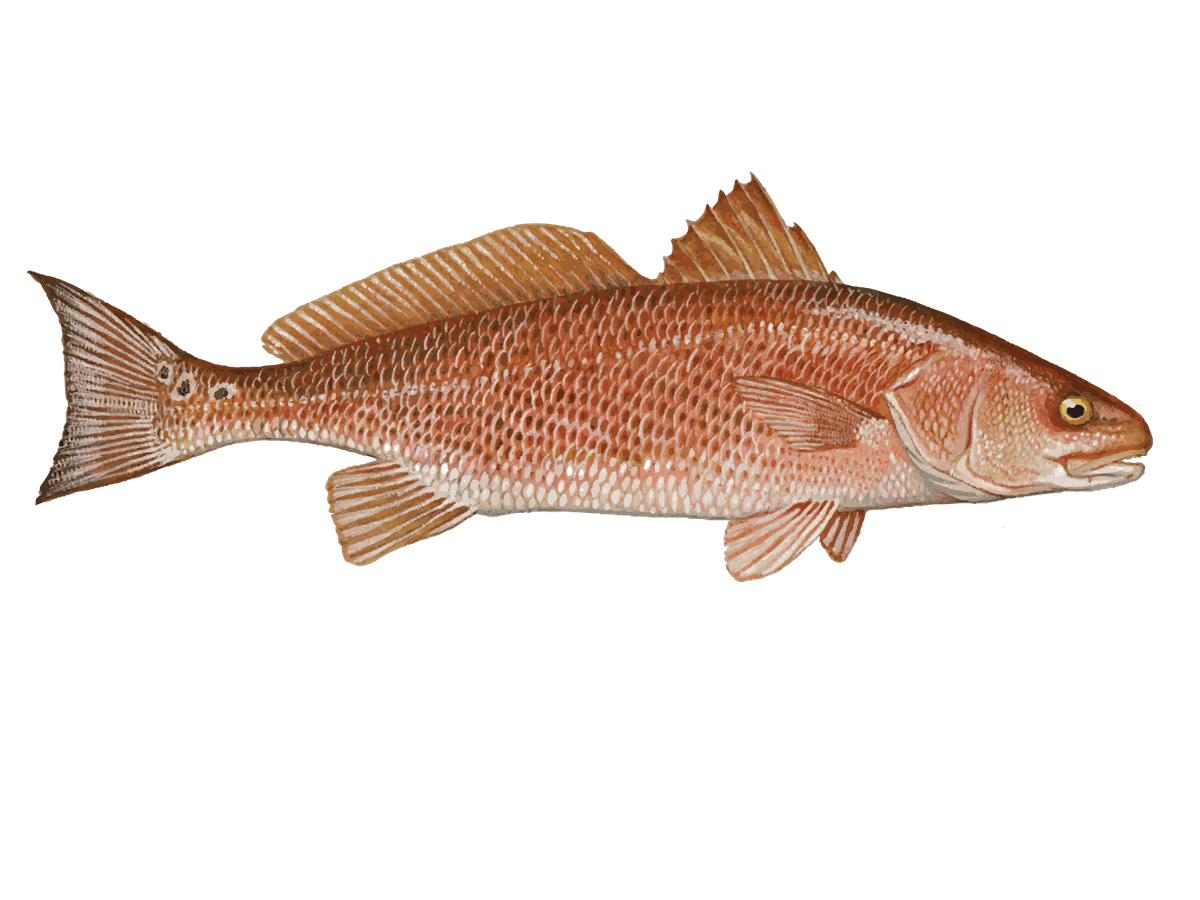
Redfish are the crown jewel of Louisiana inshore fishing, and for good reason. These copper-colored bulldogs fight like nothing else in shallow water, making screaming runs and using every oyster bar and grass bed to try to break you off. Louisiana reds typically run anywhere from 20 to 40 inches, with the slot-size fish (16-27 inches) being perfect for the table and the oversized bulls providing heart-stopping fights. Spring through fall offers the most consistent action, but winter can produce some of the biggest fish of the year when they school up in deeper water. What makes catching them so addictive is the variety - some days you're sight casting to tailing fish in two feet of water, other days you're working structure in deeper channels.
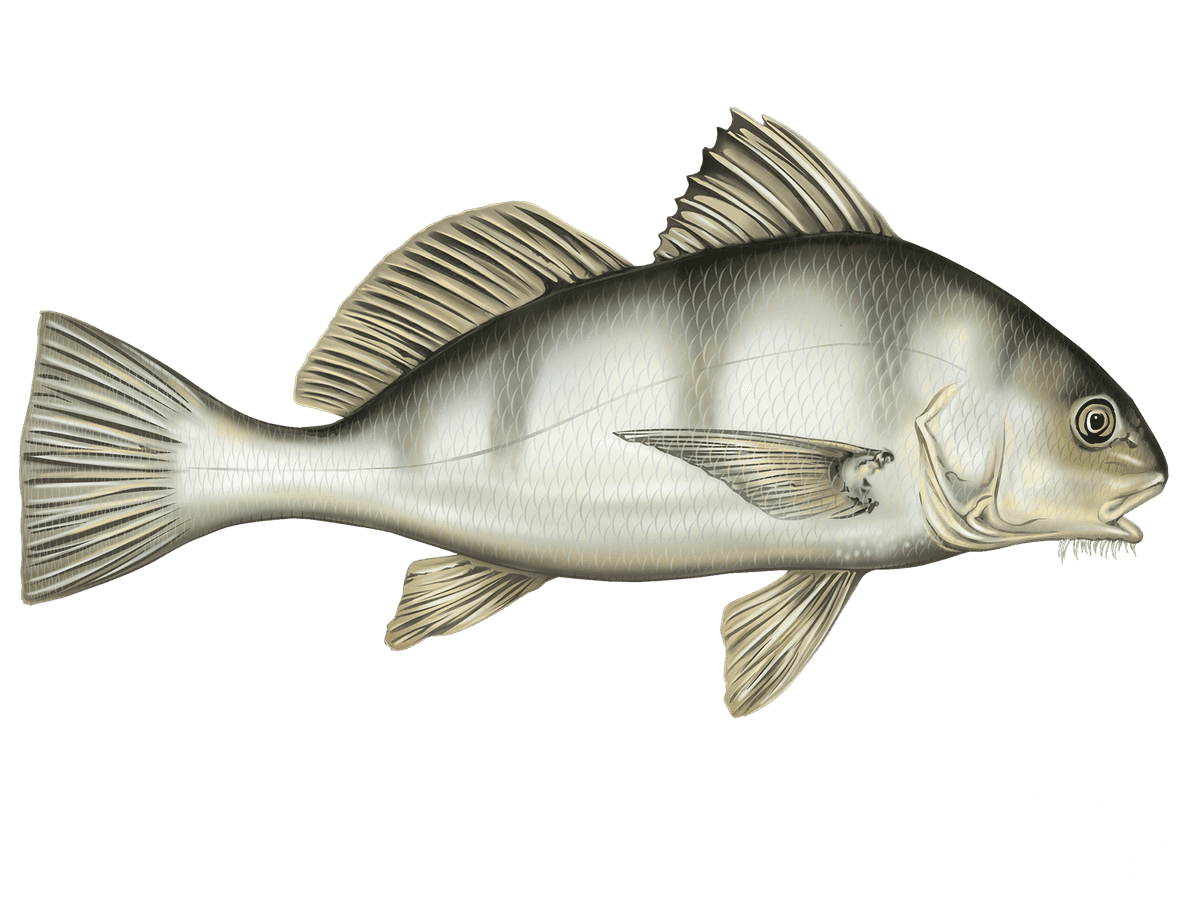
Black drum are the heavyweight champions of the marsh, with fish regularly topping 30 pounds and some monsters pushing 50-plus. These bottom-huggers love oyster reefs, bridge pilings, and deeper channels where they cruise in schools looking for crabs and shellfish. They're not flashy fighters like redfish, but they'll test your drag system and arm strength with their bulldogging, head-shaking style. Peak season runs from late winter through early summer when they move into shallower water to spawn. Landing a big black drum is a rite of passage for any serious inshore angler - they're smart, strong, and will humble you quick if you're not paying attention to your drag settings.
Sea trout, or speckled trout as we call them down here, are the most finicky of our target species but also some of the best eating fish in the Gulf. These spotted beauties love grass flats, channel edges, and anywhere baitfish are schooled up. They're incredibly temperature sensitive, so timing and location are everything. Spring and fall typically offer the best action when water temperatures are in their comfort zone. What makes specks so exciting is their aggressive strikes - they'll absolutely demolish a topwater lure on a calm morning. Plus, they're perfect for anglers who want to take home a cooler full of fillets.
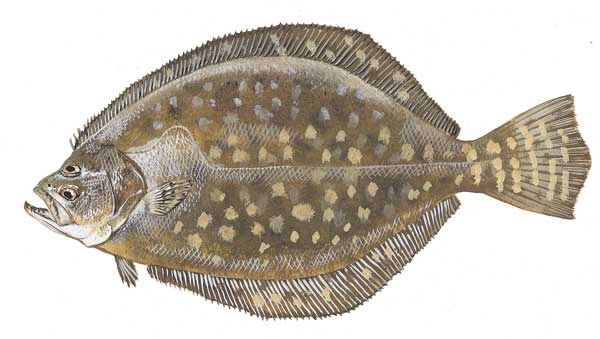
Southern flounder are the ambush predators of the marsh, lying camouflaged on sandy bottoms waiting for unsuspecting baitfish to swim by. These flatfish are masters of disguise and can be tricky to locate, but once you dial in their preferred spots - channel edges, boat cuts, and areas where current creates ambush points - they provide steady action. Fall is prime time for flounder fishing when they're fattening up before their offshore migration. They're excellent table fare and provide a nice change of pace from the typical redfish and drum action.
Sheepshead are the bait thieves of the inshore world, famous for their ability to steal your bait without getting hooked. These black-and-white striped convicts love structure - oyster reefs, bridge pilings, docks, anywhere they can find crabs and barnacles to munch on. They require finesse and quick reflexes, making them a favorite target for anglers who want a technical challenge. Winter months typically offer the best sheepshead action when they're more aggressive and schooled up around structure. Landing a nice sheepshead is satisfying because you know you out-smarted one of the craftiest fish in the marsh.
Time to Book Your Spot
This customer favorite package takes all the logistics out of a serious Louisiana fishing trip. You get quality lodging right where you need to be, a full day with an experienced guide who knows these waters inside and out, and the chance to target multiple species in some of
Learn more about the species
Black Drum
Black Drum are the heavyweights of our Louisiana marshes, and they'll give you a workout you won't forget. These bruisers typically range from 5-30 pounds but can push 50+ pounds in our waters. You'll find them around oyster beds, shallow muddy flats, and creek mouths where they use their powerful jaws to crush crabs and shellfish. Spring is prime time when they school up for spawning - that's when we target them most. What guests love is their bulldogging fight and that distinctive drumming sound they make underwater. The smaller ones under 15 pounds make excellent table fare with sweet, flaky meat. Here's my go-to trick: use fresh blue crab or soft shells on a carolina rig, and when you feel that steady pull, don't horse them - let that drag work and enjoy the ride.
Redfish
Redfish are the crown jewel of Louisiana inshore fishing and what most folks travel here to catch. These copper-colored beauties with distinctive black spots near their tails typically run 20-35 inches in our marshes, with some bull reds pushing 40+ inches. They love super shallow water - sometimes so shallow their backs show above the surface. You'll find them cruising oyster reefs, grass flats, and marsh edges feeding on crabs, shrimp, and small fish. Fall and spring offer the best action when they're most active. What makes them special is their aggressive strikes and powerful runs that'll test your drag. They're also excellent eating when kept within slot limits. My favorite approach: look for wakes and tails in shallow water, then cast a gold spoon or soft plastic just ahead of them - the visual strike is something you'll never forget.
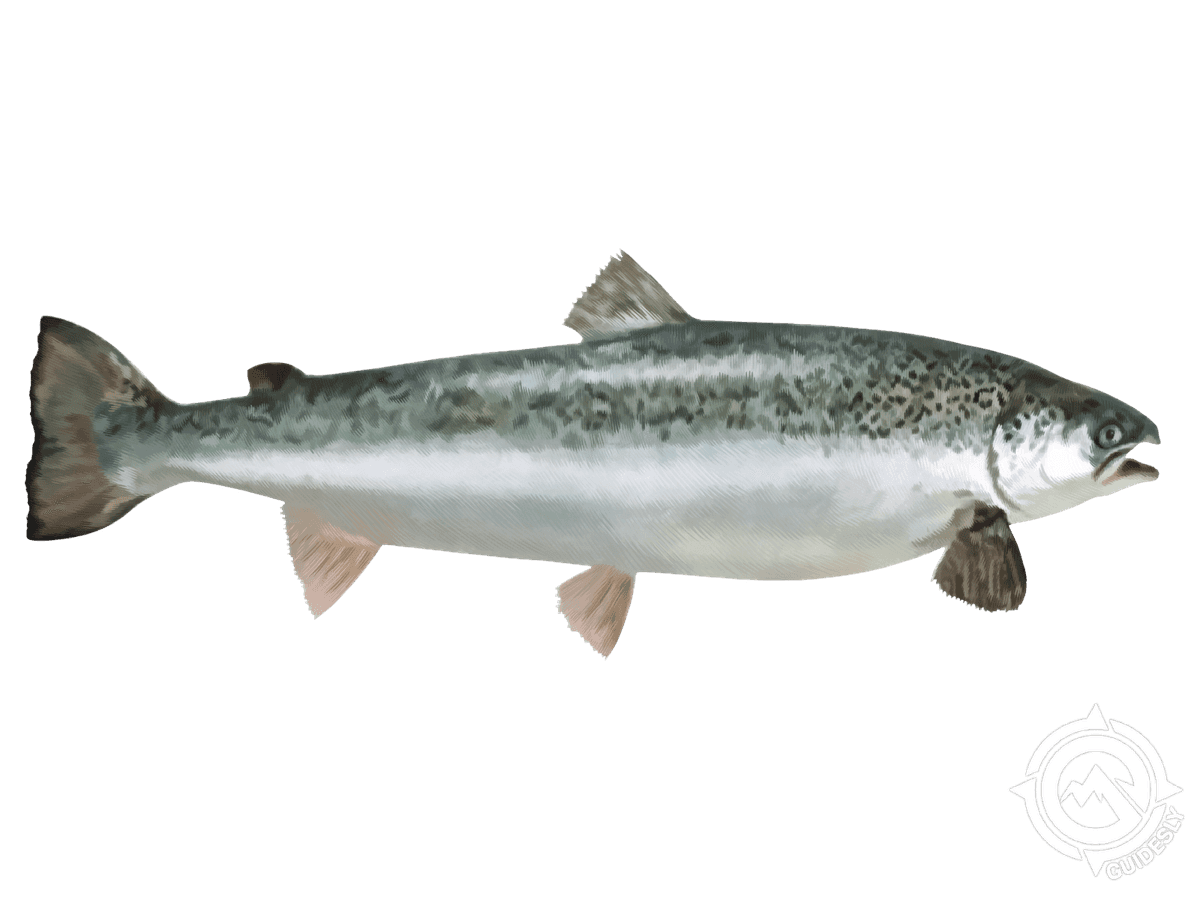
Sea Trout
Speckled Trout are the bread and butter of Louisiana inshore fishing, and they're perfect for anglers of all skill levels. Most run 14-24 inches and 1-5 pounds, with their distinctive spotted sides making them easy to identify. You'll find them over grass flats, around marsh edges, and near drop-offs where they feed on shrimp, small crabs, and baitfish. They bite year-round but really turn on during spring and fall when water temps are right. Guests love their willingness to hit artificial lures and their excellent table fare - tender, flaky white meat that's hard to beat. Early morning and evening are prime times, especially around moving water. Here's what works: a 1/4 oz jig with a white or chartreuse soft plastic tail bounced just off the bottom. Keep it simple and let the trout tell you what they want.
Sheepshead
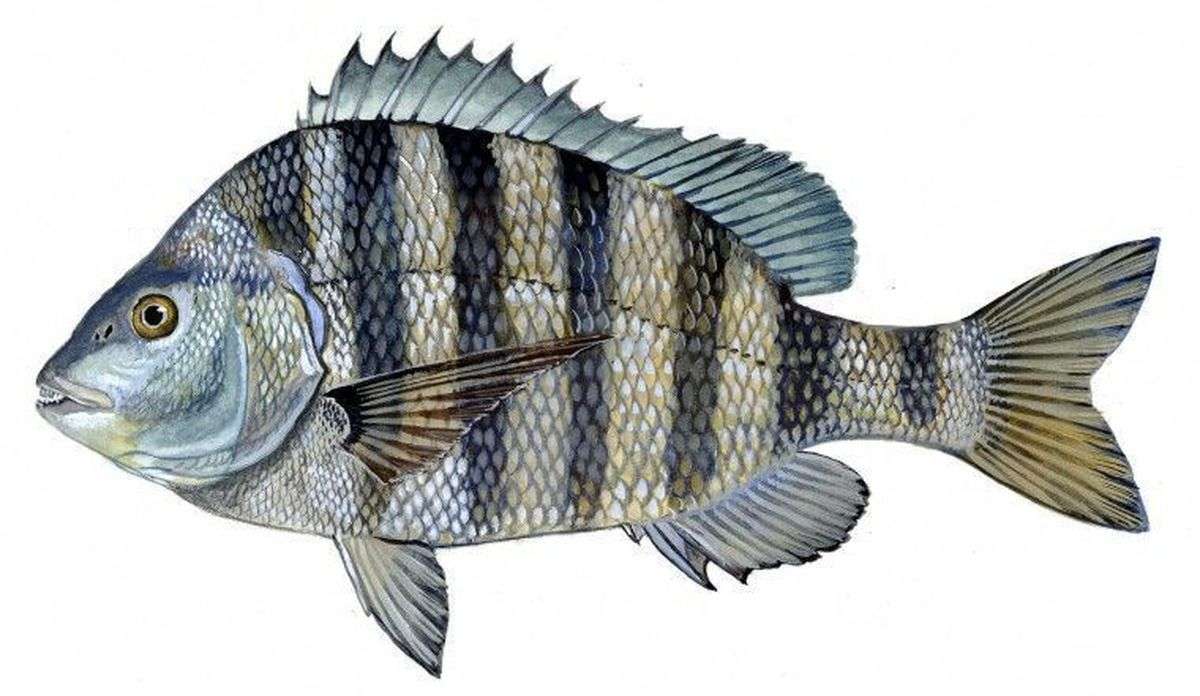
Sheepshead are the "convict fish" of Louisiana waters, known for their black and white stripes and human-like teeth that can crack barnacles and oysters. Most run 1-8 pounds and 14-20 inches, though we occasionally see 20-pounders that'll test your gear. They hang tight to structure - docks, bridge pilings, oil platforms, and jetties where they feed on barnacles and crabs. Spring spawning season brings the best action when they gather in large numbers. Guests love the challenge since they're notorious bait thieves with light, nibbling bites. The reward is some of the best eating fish in the Gulf - sweet, white meat that's worth the effort to clean. My trick: use a small hook with fresh shrimp or fiddler crab, get as close to structure as possible, and set the hook hard the moment you feel weight - they'll steal your bait otherwise.
Southern Flounder
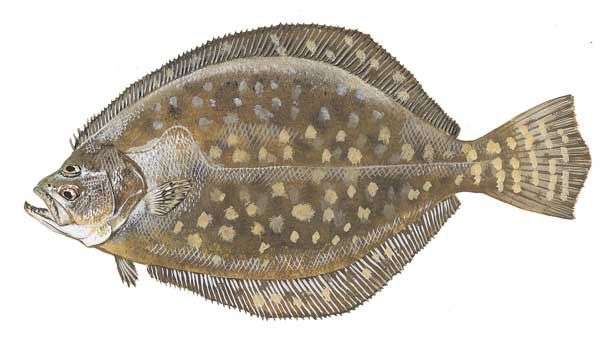
Southern Flounder are one of the coolest fish you'll encounter in our Louisiana marshes. These flat, camouflaged masters typically run 15-18 inches and weigh around 5 pounds, though we've seen some pushing 20+ pounds. They're ambush predators that bury themselves in sand and mud on shallow flats, waiting to strike at passing shrimp, crabs, and small fish. What makes them unique is having both eyes on one side of their head - nature's way of perfecting their bottom-dwelling lifestyle. Fall and early winter are prime time when they're feeding heavily before heading offshore. Guests love the challenge of spotting their subtle strikes and the firm, sweet meat they provide. My tip: when you feel that light tap, count to three before setting the hook - they need time to fully take the bait.
About the Key West
%2F%2Fusers%2Fd3e619b0-8e8d-4821-a2b5-713328e40ea1%2Fvehicle_picture%2F4e2a16f1-abaa-498c-bc1a-eb2e358c5de6.jpg&w=1200&q=75)
Vehicle Guest Capacity: 5
Manufacturer Name: Suzuki
Maximum Cruising Speed: 50
Number of Engines: 1
Horsepower per Engine: 300