%2Ffit-in%2F250x250%2Fusers%2Fd3e619b0-8e8d-4821-a2b5-713328e40ea1%2Fimages%2Fb7814391-1658-4c0b-bad9-56cb8244bc7b.jpg&w=1200&q=100)
/users/d3e619b0-8e8d-4821-a2b5-713328e40ea1/ratecard/9cb4d2a6-0cad-433c-8d3a-88b1878e09e4.jpg)
%2F300x300%2Fusers%2Fd3e619b0-8e8d-4821-a2b5-713328e40ea1%2Fratecard%2F9cb4d2a6-0cad-433c-8d3a-88b1878e09e4.jpg&w=256&q=75)
%2F300x300%2Fusers%2Fd3e619b0-8e8d-4821-a2b5-713328e40ea1%2Fimages%2Fsheepshead-hopedale-fishing-tours-2649.jpg&w=256&q=75)
%2F300x300%2Fusers%2Fd3e619b0-8e8d-4821-a2b5-713328e40ea1%2Fimages%2Fsheepshead-hopedale-fishing-tour-2653.jpg&w=256&q=75)
%2F300x300%2Fusers%2Fd3e619b0-8e8d-4821-a2b5-713328e40ea1%2Fimages%2Ffishing-bliss-in-la-2643.jpg&w=256&q=75)
%2F300x300%2Fusers%2Fd3e619b0-8e8d-4821-a2b5-713328e40ea1%2Fimages%2Fredfish-fishing-tour-la-2586.jpg&w=256&q=75)
%2F300x300%2Fusers%2Fd3e619b0-8e8d-4821-a2b5-713328e40ea1%2Fimages%2Flargemouth-bass-fishing-tour-la-2601.jpg&w=256&q=75)
%2F300x300%2Fusers%2Fd3e619b0-8e8d-4821-a2b5-713328e40ea1%2Fimages%2Fblack-drum-fish-la-fishing-2598.jpg&w=256&q=75)
%2F300x300%2Fusers%2Fd3e619b0-8e8d-4821-a2b5-713328e40ea1%2Fimages%2Fhopedale-fishing-duo-sheepshead-black-2722.jpg&w=256&q=75)
%2F300x300%2Fusers%2Fd3e619b0-8e8d-4821-a2b5-713328e40ea1%2Fimages%2Fredfish-hopedale-fishing-tour-2686.jpg&w=256&q=75)
%2F300x300%2Fusers%2Fd3e619b0-8e8d-4821-a2b5-713328e40ea1%2Fimages%2Fhopedale-fishing-tour-black-drum-2694.jpg&w=256&q=75)
%2F300x300%2Fusers%2Fd3e619b0-8e8d-4821-a2b5-713328e40ea1%2Fimages%2Fcoastal-catch-hopedale-3015.jpg&w=256&q=75)
Hopedale's Premier Lodge & Charter Fishing Trip
 Hopedale, LA, USA
What you will be catching:
 Black Drum
 Redfish
 Sea Trout
 Sheepshead
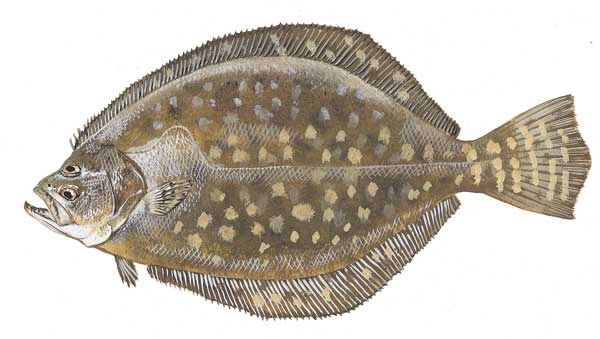 Southern Flounder
- Overnight stay at Hopedale Lodge with expert Captain Chad St. Pe guidance
- Target bull redfish, black drum, and speckled trout in premier coastal marshes
- All fishing gear provided; groups accommodate up to four anglers maximum
Trip Pricing and Availabilities:
Trip pricing information is temporarily unavailable.
Louisiana Redfish Charter with Hopedale Lodge
Looking for the perfect Louisiana marsh fishing adventure without the hassle of finding a place to stay? This top-rated package combines world-class redfish action with comfortable lodging at Hopedale Lodge, making it dead simple for your crew of four to focus on what matters most – putting fish in the boat. Captain Chad St. Pe knows these coastal waters like the back of his hand, and he'll put you on the best fishing spots in the Louisiana marsh while you enjoy the convenience of waking up right where the action is.
What to Expect on the Water
This isn't your typical day trip where you're rushing to get on the water at dawn. With your overnight stay at Hopedale Lodge, you'll be fishing the prime morning bite when redfish are actively feeding in the shallows. The Louisiana coastal marsh is a maze of bayous, grass flats, and oyster reefs that hold some of the most consistent inshore fishing in the Gulf. Captain Chad provides all the professional gear you'll need – quality rods, reels, and a tackle box full of the right baits for whatever the fish are hitting that day. Whether you're sight-casting to tailing reds in two feet of water or working structure for black drum, this is hands-down one of the best fishing experiences the Louisiana coast has to offer. Just bring your valid Louisiana fishing license, pack some snacks and drinks, and get ready for a full day of non-stop action.
Marsh Fishing Techniques
The beauty of fishing Louisiana's coastal marsh lies in the variety of approaches that work here. Captain Chad will have you throwing everything from topwater plugs at sunrise to soft plastics around oyster bars when the bite slows down. The shallow flats are perfect for sight-fishing – there's nothing quite like watching a big redfish cruise up to your bait in crystal clear water. When the fish are holding tight to structure, you'll be pitching jigs and live bait around fallen timber and dock pilings where black drum and sheepshead like to hang out. The gear setup is straightforward but effective: medium-heavy spinning rods matched with reels that can handle the drag-screaming runs these fish are famous for. Don't worry if you're new to inshore fishing – Captain Chad has guided anglers of every skill level through these waters, and he'll make sure you're comfortable with the techniques before you start casting.
Species You'll Want to Hook
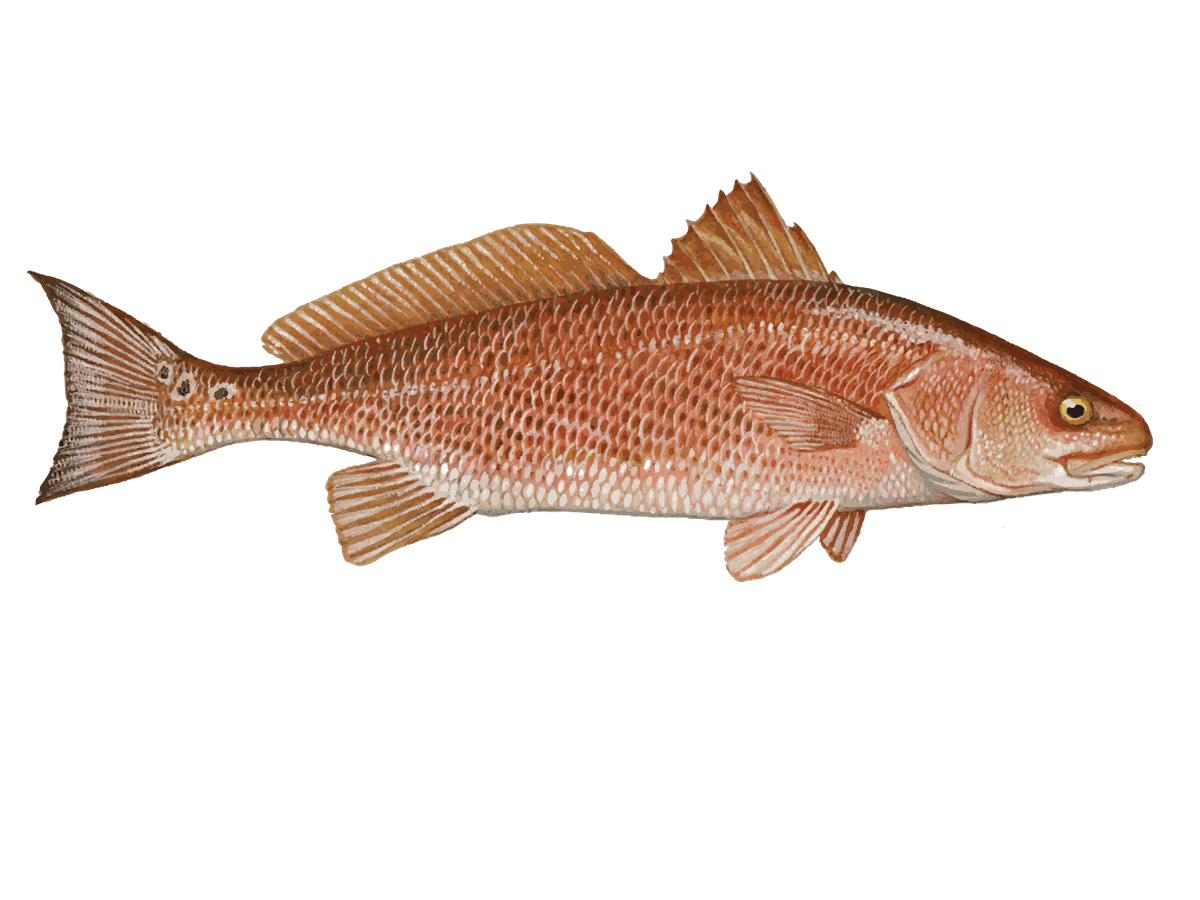
Redfish are the undisputed stars of Louisiana's inshore waters, and for good reason. These copper-colored fighters can grow well over 30 inches and will give you a battle you won't forget. Spring through fall offers the most consistent action, but winter fishing can be phenomenal when you find schools of reds stacked up in deeper bayous. What makes them special is their aggressive feeding behavior – they'll crush topwater baits, inhale soft plastics, and even take live bait presented properly around structure.
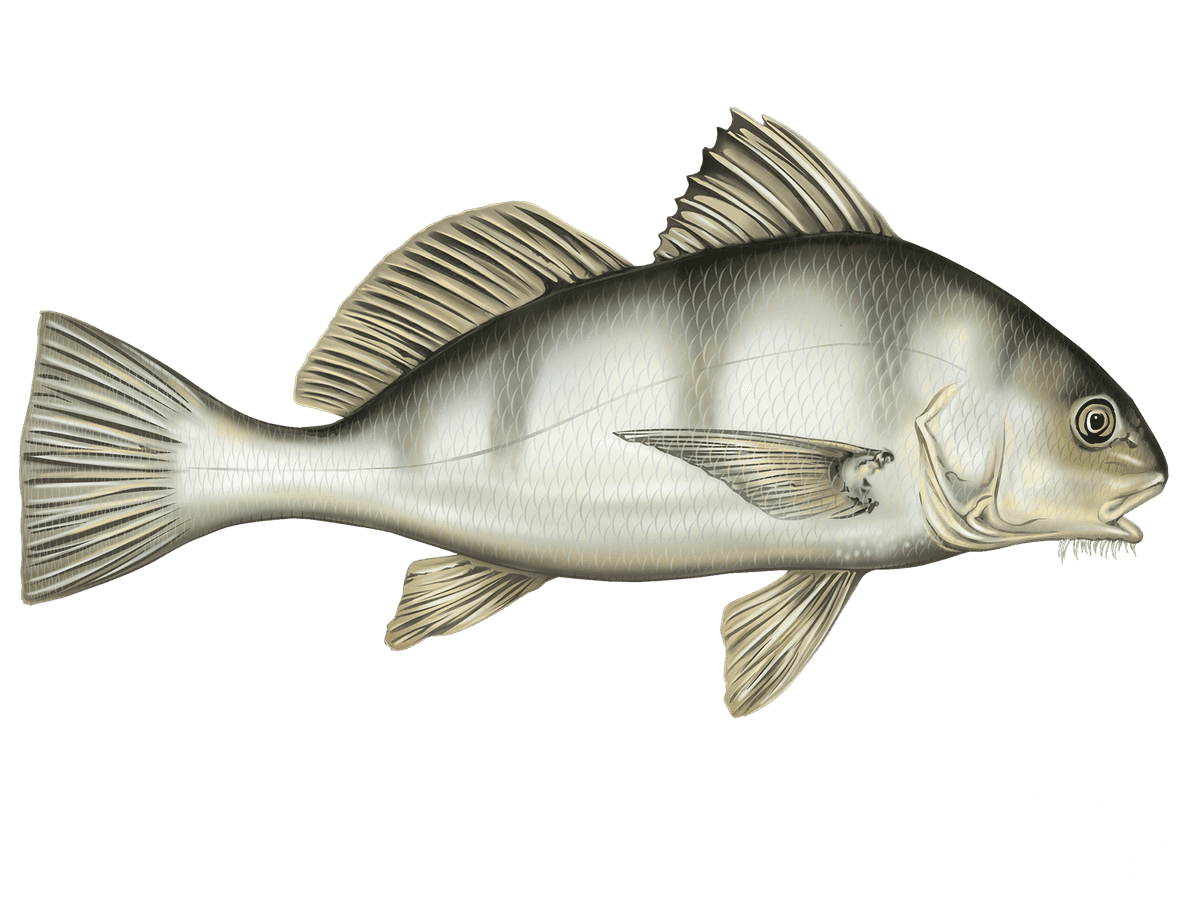
Black Drum are the heavyweights of the marsh, with fish over 40 pounds not uncommon in these waters. They're bottom feeders that love to hang around oyster reefs and bridge pilings, using their pharyngeal teeth to crush shellfish. The best time to target them is during their spawning runs in late winter and early spring, though you'll find keeper-sized fish year-round. When a big drum takes your bait, get ready for a grinding, bulldogging fight that will test your tackle and your patience.
Southern Flounder are the marsh's premier table fare, and Louisiana's coastal waters produce some real doormat-sized fish. These ambush predators bury themselves in sand and mud near drop-offs and channel edges, waiting for baitfish to swim by. Fall is prime time for flounder fishing when they're fattening up for their offshore spawning migration. Live finger mullet and soft plastic baits worked slowly along the bottom are deadly effective.
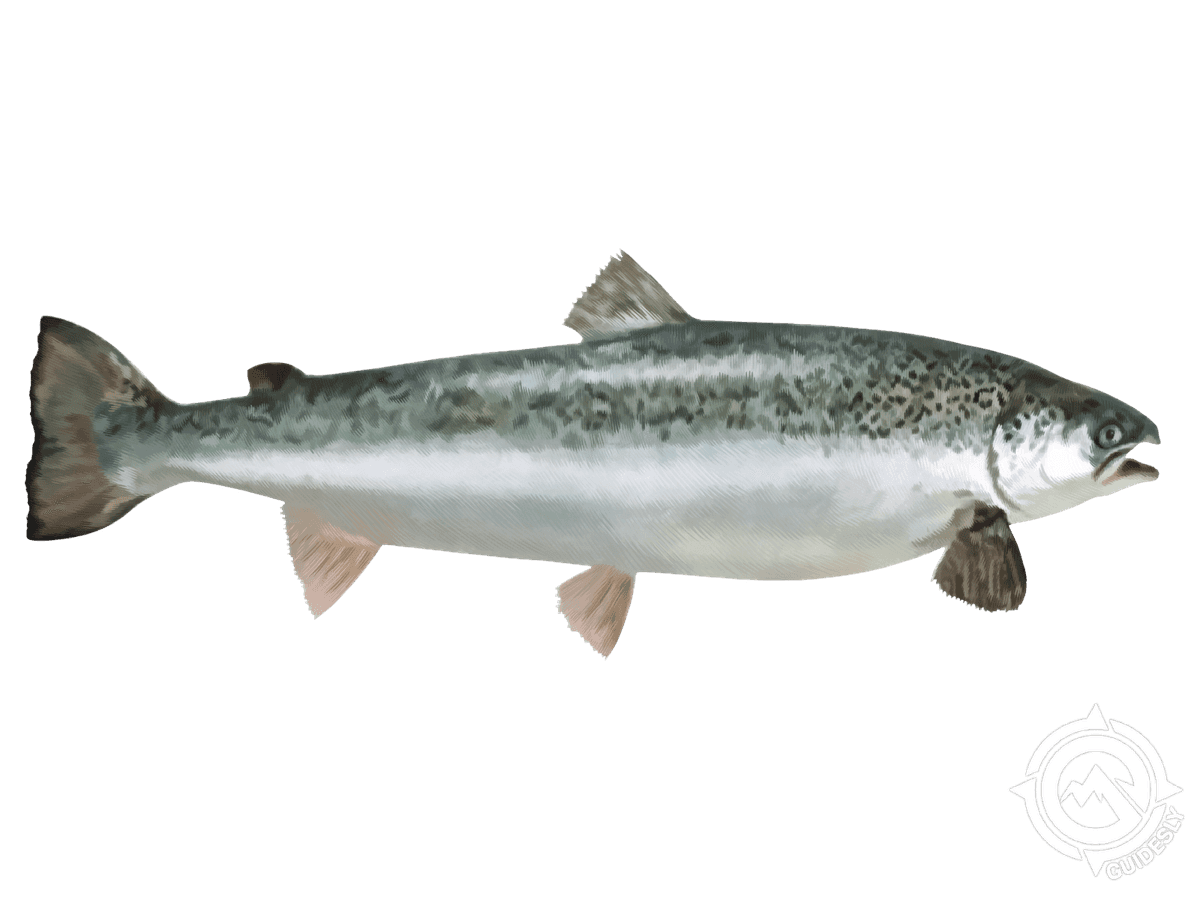
Sea Trout, or speckled trout as locals call them, are abundant throughout the marsh system and provide consistent action when other species are finicky. They school up around grass beds and shell reefs, feeding heavily on shrimp and small baitfish. The best fishing happens during dawn and dusk, and a well-placed popping cork with live shrimp underneath is hard to beat. These fish are excellent eating and provide great sport on light tackle.
Sheepshead are the convict-striped challenges of the marsh – they're notorious bait thieves with excellent eyesight and a light bite. But land one of these 15-20 inch fish and you've got some of the finest eating the Gulf has to offer. They're structure-oriented fish that love barnacle-encrusted pilings and oyster reefs. Fiddler crabs and fresh shrimp are the go-to baits, and you'll need to set the hook at the slightest tick in your line.
Time to Book Your Spot
This customer favorite package takes all the guesswork out of planning your Louisiana fishing trip. With lodging and a full day guided charter included, you're getting renowned local expertise and convenience rolled into one world-class experience. The Louisiana marsh is trending as one of the top inshore fishing destinations in the country, and Captain Chad's local knowledge ensures you'll experience the best it has to offer. Your group of four will have plenty of room to fish comfortably while targeting multiple species in some of the most productive waters on the Gulf Coast. Don't wait – prime dates fill up fast, especially during peak fishing seasons when the bite is hot and the weather is perfect.
Learn more about the species
Black Drum
Black drum are the bruisers of Louisiana's marshes, commonly running 15-30 pounds with some giants pushing 50+. These bottom-feeders cruise oyster beds, shallow mud flats, and around structure using their powerful jaws to crush crabs and mollusks. Spring is peak season when they school up for spawning, making them easier to target. What guests love about drum fishing is the steady, powerful fight - they're not flashy jumpers but will test your drag and arms. Smaller fish under 15 pounds make excellent table fare with firm, white meat. The bigger ones are better released. Here's a local tip: fresh blue crab or peeler crab works best since catfish and other bait stealers usually leave it alone. Fish it right on bottom with enough weight to hold in the current, and be ready for a long, grinding battle.
Redfish
Redfish are Louisiana's signature inshore species, easily recognized by their copper-bronze color and distinctive black spots near the tail. Most run 20-30 inches in our marshes, with some bull reds reaching 40+ inches. They love super shallow water - often so shallow their backs show above the surface - around oyster beds, grass flats, and marsh edges. Year-round fishing with peak action in fall when they school up. What makes redfish special is their powerful runs and stubborn fights, plus they're excellent eating when kept under the slot limit. You'll see them tailing in shallow water or cruising in small groups. The trick is staying quiet and making accurate casts since spooky fish in skinny water will bolt at the slightest disturbance. Gold spoons and topwater plugs work great, but live shrimp under a cork is hard to beat.
Sea Trout
Speckled trout are the bread and butter of Louisiana inshore fishing, running 12-20 inches on average with some nice ones pushing 25+. They roam grass flats, oyster reefs, and deeper channels feeding on shrimp, crabs, and baitfish. Spring through fall are prime seasons, but they can be caught year-round - just move to deeper water in winter. What makes trout fishing special is their willingness to hit topwater lures at dawn and dusk, creating explosive surface strikes. They're also top-notch table fare with tender, flaky meat that's perfect for any recipe. The key is not fighting them too hard since their mouths are soft - many get away by tearing the hook out. Use light drag, keep steady pressure, and net them quickly. Soft plastics under a popping cork work great, but for real fun, throw topwater plugs in shallow grass at first light.
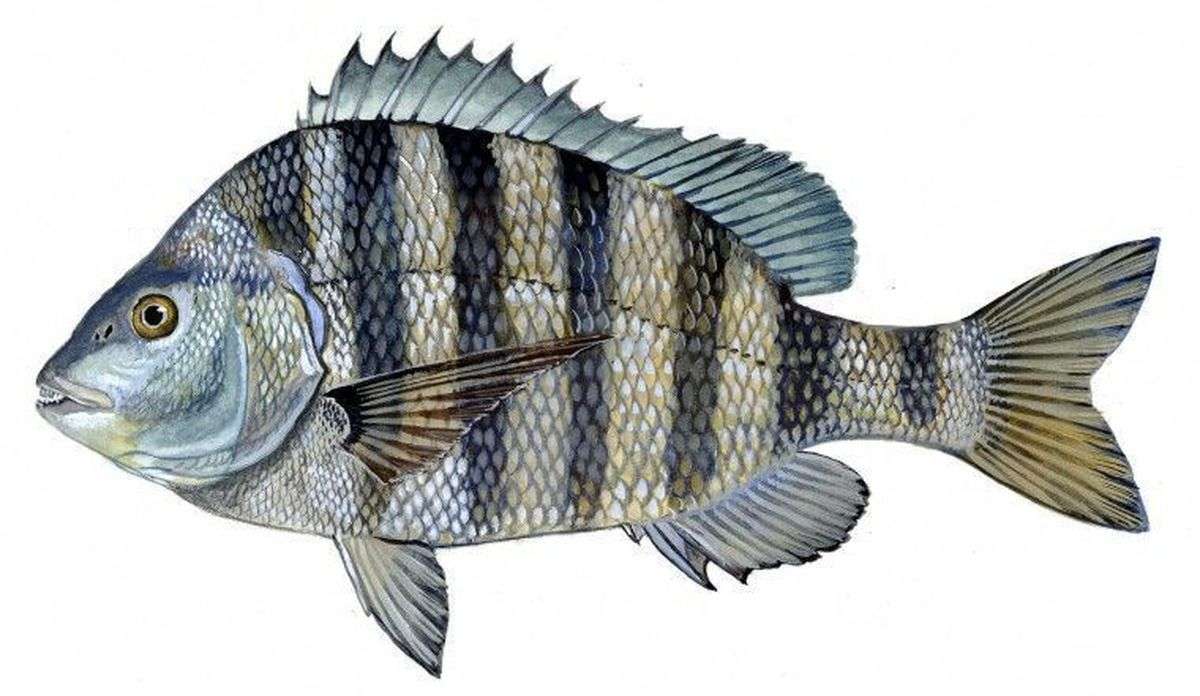
Sheepshead
Sheepshead are the convict fish of our marshes with their distinctive black and white stripes, but don't let their looks fool you - they're some of the smartest fish around. They typically run 2-5 pounds and 14-18 inches, though we see some nice ones pushing 8 pounds. You'll find them around any structure - docks, pilings, oil rigs - feeding on barnacles and crabs with their human-like teeth. Winter and early spring are prime time when they move into shallow water. Guests love targeting them for their excellent table fare - sweet, flaky white meat that's hard to beat. The challenge is their reputation as bait thieves. They'll nibble and test your bait before committing. My tip: use small hooks with fresh fiddler crabs or shrimp, keep it tight to structure, and when you feel them mouthing the bait, set that hook hard and fast.
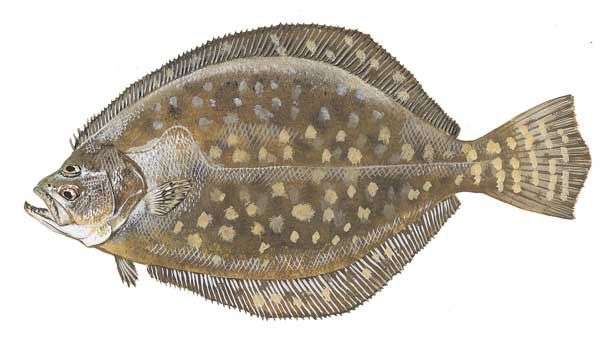
Southern Flounder
These flat fish are masters of disguise, burying themselves in muddy bottoms and changing color to match their surroundings. Most run 15-18 inches, but you'll occasionally hook into a 20+ incher that'll put up a solid fight. They love shallow bays, estuaries, and grass flats where they ambush shrimp, crabs, and small fish. Fall and winter are prime time when they're fattening up before heading offshore to spawn. What makes flounder special is their unique appearance - both eyes on one side - and excellent table fare with sweet, flaky white meat. The key to landing them is patience since they're notorious bait thieves. Use a slow drift with live shrimp or mud minnows, and when you feel that subtle tap-tap, give them a second to fully commit before setting the hook firmly.
About the Key West
%2F%2Fusers%2Fd3e619b0-8e8d-4821-a2b5-713328e40ea1%2Fvehicle_picture%2F4e2a16f1-abaa-498c-bc1a-eb2e358c5de6.jpg&w=1200&q=75)
Vehicle Guest Capacity: 5
Manufacturer Name: Suzuki
Maximum Cruising Speed: 50
Number of Engines: 1
Horsepower per Engine: 300