%2Ffit-in%2F250x250%2Fusers%2Fd3e619b0-8e8d-4821-a2b5-713328e40ea1%2Fimages%2Fb7814391-1658-4c0b-bad9-56cb8244bc7b.jpg&w=1200&q=100)
/users/d3e619b0-8e8d-4821-a2b5-713328e40ea1/ratecard/4ecf8fcc-3293-4790-8c6a-20728d89a91e.jpg)
%2F300x300%2Fusers%2Fd3e619b0-8e8d-4821-a2b5-713328e40ea1%2Fratecard%2F4ecf8fcc-3293-4790-8c6a-20728d89a91e.jpg&w=256&q=75)
%2F300x300%2Fusers%2Fd3e619b0-8e8d-4821-a2b5-713328e40ea1%2Fimages%2Fsheepshead-hopedale-fishing-tours-2649.jpg&w=256&q=75)
%2F300x300%2Fusers%2Fd3e619b0-8e8d-4821-a2b5-713328e40ea1%2Fimages%2Fsheepshead-hopedale-fishing-tour-2653.jpg&w=256&q=75)
%2F300x300%2Fusers%2Fd3e619b0-8e8d-4821-a2b5-713328e40ea1%2Fimages%2Ffishing-bliss-in-la-2643.jpg&w=256&q=75)
%2F300x300%2Fusers%2Fd3e619b0-8e8d-4821-a2b5-713328e40ea1%2Fimages%2Fredfish-fishing-tour-la-2586.jpg&w=256&q=75)
%2F300x300%2Fusers%2Fd3e619b0-8e8d-4821-a2b5-713328e40ea1%2Fimages%2Flargemouth-bass-fishing-tour-la-2601.jpg&w=256&q=75)
%2F300x300%2Fusers%2Fd3e619b0-8e8d-4821-a2b5-713328e40ea1%2Fimages%2Fblack-drum-fish-la-fishing-2598.jpg&w=256&q=75)
%2F300x300%2Fusers%2Fd3e619b0-8e8d-4821-a2b5-713328e40ea1%2Fimages%2Fhopedale-fishing-duo-sheepshead-black-2722.jpg&w=256&q=75)
%2F300x300%2Fusers%2Fd3e619b0-8e8d-4821-a2b5-713328e40ea1%2Fimages%2Fredfish-hopedale-fishing-tour-2686.jpg&w=256&q=75)
%2F300x300%2Fusers%2Fd3e619b0-8e8d-4821-a2b5-713328e40ea1%2Fimages%2Fhopedale-fishing-tour-black-drum-2694.jpg&w=256&q=75)
%2F300x300%2Fusers%2Fd3e619b0-8e8d-4821-a2b5-713328e40ea1%2Fimages%2Fcoastal-catch-hopedale-3015.jpg&w=256&q=75)
Top-Rated Hopedale Inshore Charter & Lodge Trip
 Hopedale, LA, USA
What you will be catching:
 Black Drum
 Redfish
 Sea Trout
 Sheepshead
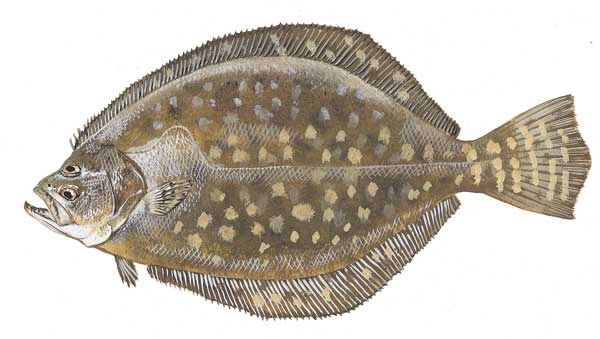 Southern Flounder
- Premium guided fishing in Louisiana's top redfish and black drum waters
- Full-day excursion targeting redfish, black drum, speckled trout, and flounder
- Hopedale Lodge accommodation with professional gear and experienced guides included
Trip Pricing and Availabilities:
Trip pricing information is temporarily unavailable.
Full Day Redfish Charter with Louisiana Lodging
Picture this: you wake up right in the heart of Louisiana's best fishing waters, grab your coffee, and walk straight to your boat. No crazy early morning drives, no rushing through traffic. That's exactly what you get with this top-rated full-day charter and lodging package at Hopedale. We're talking about serious redfish and black drum action in some of the most productive marsh waters Louisiana has to offer, with the convenience of staying right where the fish live.
What to Expect on the Water
This isn't your typical "drive three hours to fish for four hours" kind of deal. When you book this package, you're setting yourself up in prime real estate - Hopedale Lodge sits right in the sweet spot of Louisiana's marsh country. We're launching practically from your front door into tidal creeks and flats that consistently produce fish. The marsh here is alive with baitfish, and that means hungry reds, black drum, and speckled trout are always prowling around looking for an easy meal. You'll spend a full day working everything from shallow grass flats to deeper channel edges, using the tides to our advantage. The lodge setup means we can get an early start when the fish are most active, and you can actually relax afterward instead of facing a long drive home. Your captain knows these waters like the back of his hand - every oyster bar, every grass line, every spot where the big fish like to hang out.
Tackle and Techniques
We've got you covered with professional-grade rods and reels that can handle everything from finicky trout to bull reds that'll test your drag system. The beauty of Louisiana marsh fishing is the variety - we might start the morning throwing topwater plugs over shallow grass beds, switch to soft plastics when we're working structure, or break out the live bait when the fish get picky. The water here ranges from knee-deep flats to deeper channels, so we're constantly adjusting our approach. You'll learn to read the water, watch for nervous baitfish, and understand how these fish use the tide to their advantage. Whether you're a seasoned angler or picking up a rod for the first time, the gear is matched to the conditions and the techniques are straightforward enough that anyone can get in on the action. The marsh environment is forgiving - plenty of fish, lots of structure to work, and enough variety to keep things interesting all day long.
Species You'll Want to Hook
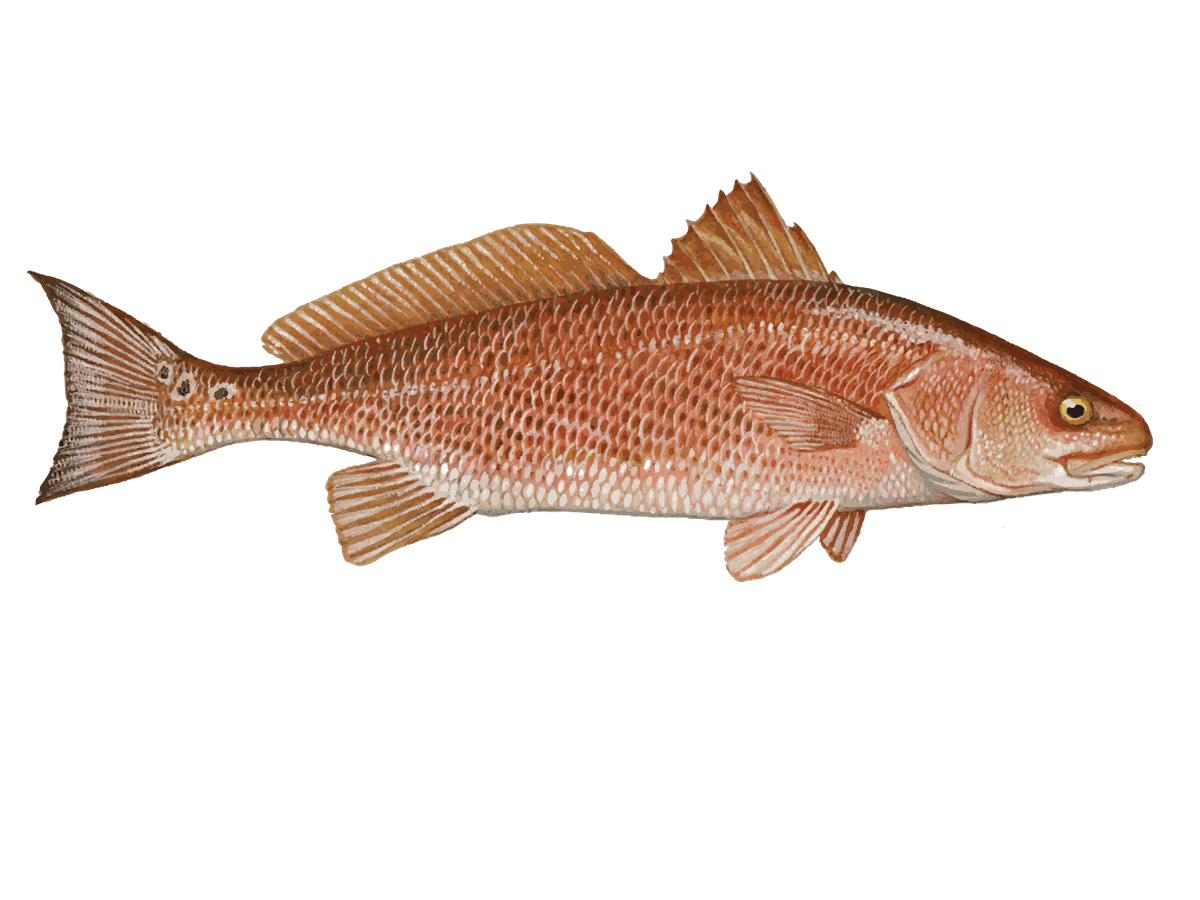
Redfish are the crown jewel of Louisiana marsh fishing, and for good reason. These copper-colored bruisers love the shallow flats and oyster bars around Hopedale, especially during moving tides. They're aggressive feeders that'll crush a well-placed spoon or soft plastic, and once hooked, they'll give you a fight that combines power runs with stubborn, head-shaking determination. The best action typically happens during spring through fall, but Louisiana's mild climate keeps them active almost year-round. What makes reds so special is their willingness to eat - they're not overly picky, and they're fun for anglers of any skill level.
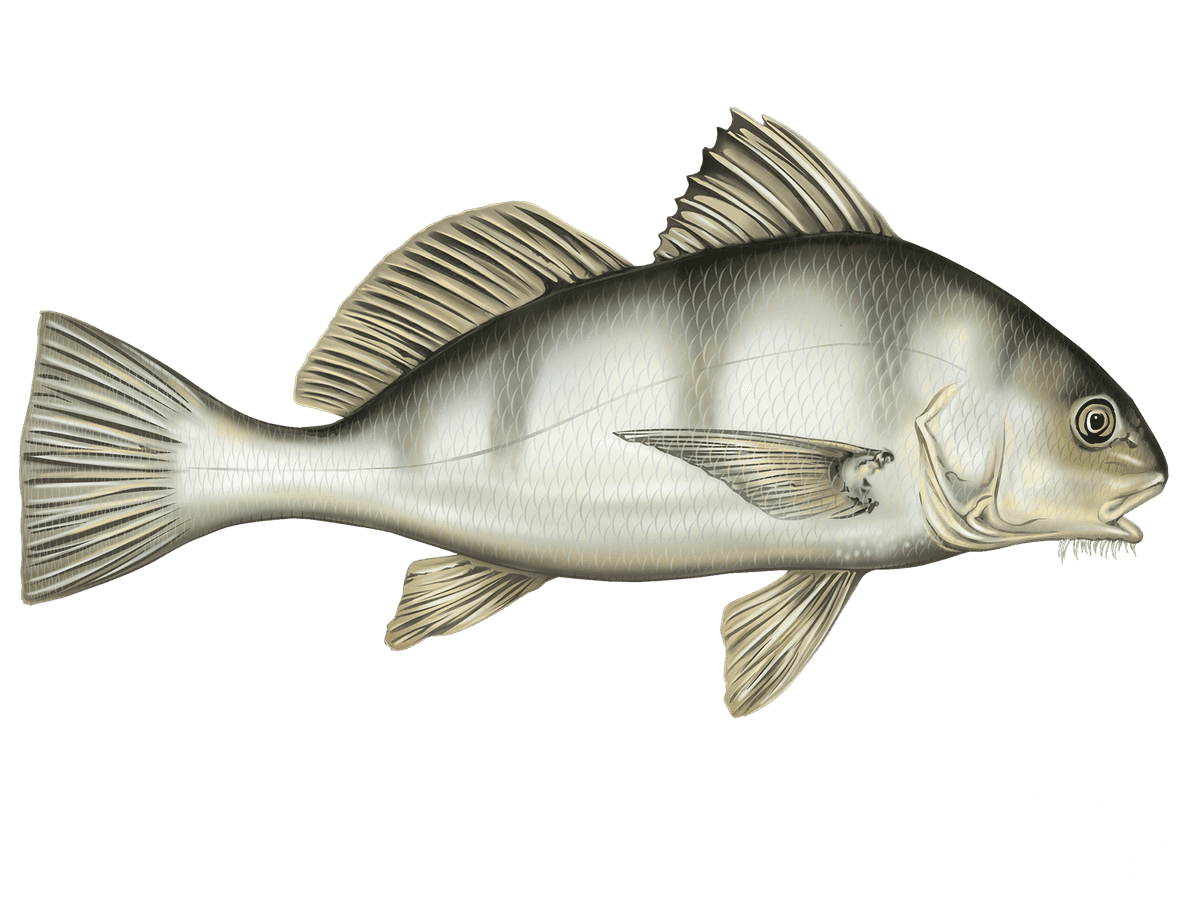
Black drum might not win beauty contests, but they're absolute powerhouses that'll test your tackle and your patience. These bottom-dwellers love to hang around structure like oyster reefs and channel edges, where they use their pharyngeal teeth to crush crabs and shellfish. When you hook into a big drum - and we're talking fish that can push 40-50 pounds - you'll understand why locals call them "Louisiana tuna." They're most active during cooler months, making them a reliable target when other species slow down. The fight is all about endurance; they'll pull steady and hard, making long runs toward whatever structure they can find.
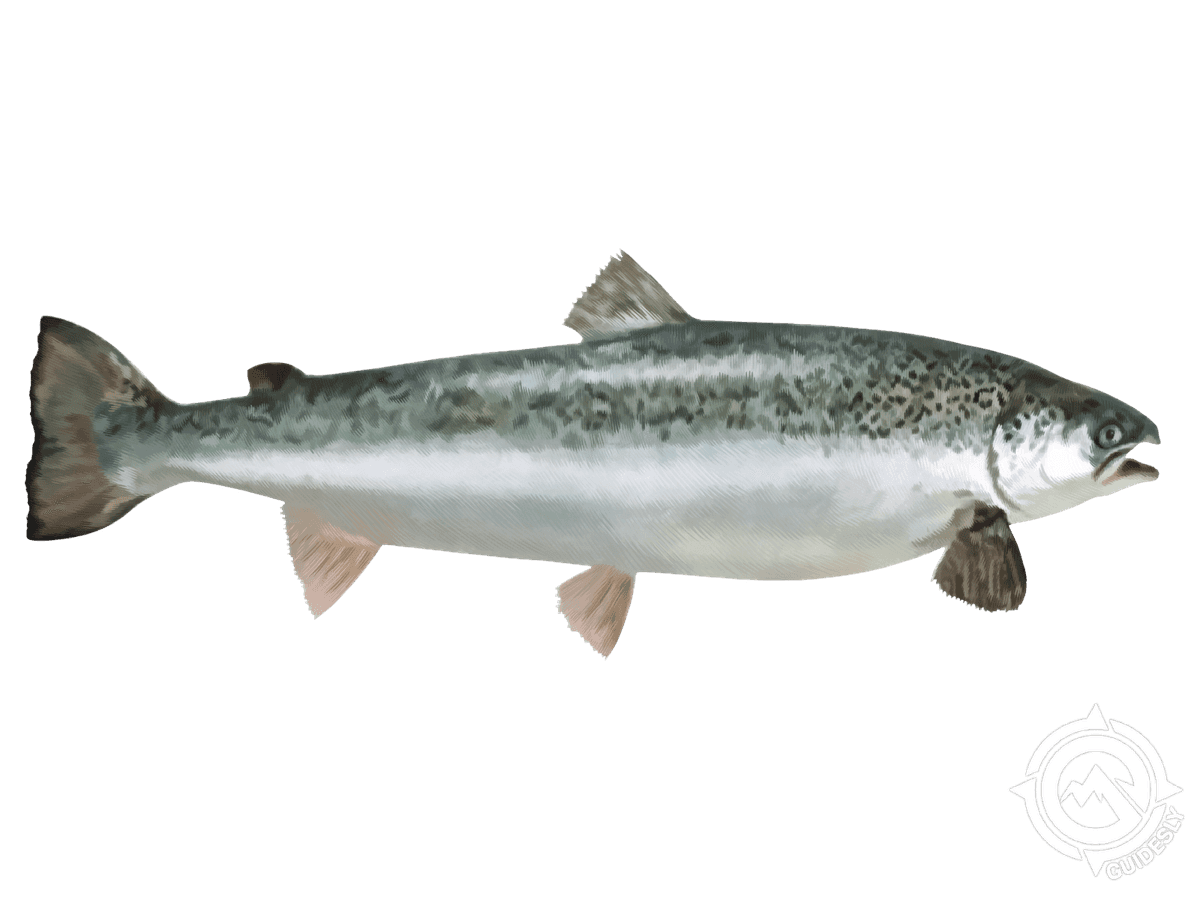
Sea trout, or "speckled trout" as we call them down here, are the most finicky of our target species, but also some of the most rewarding to catch. These beautiful fish prefer slightly deeper water with good current flow, and they're absolutely deadly on live shrimp or well-presented soft plastics. Spring and fall are prime time for specks, when they're actively feeding and less stressed by temperature extremes. They're schooling fish, so when you find one, there's usually more around. The fight isn't about raw power - it's about their acrobatic jumps and their habit of throwing hooks if you don't keep steady pressure.
Southern flounder are the masters of disguise in Louisiana waters, lying perfectly camouflaged on muddy bottoms waiting for unsuspecting prey. These flatfish are surprisingly aggressive predators that'll ambush baitfish, shrimp, and crabs with lightning-fast strikes. The best flounder fishing happens during their fall migration when they're moving toward deeper water to spawn. They're excellent table fare and provide a different kind of challenge - it's all about reading the bottom structure and understanding their ambush feeding style. When you hook a good flounder, the fight is more about weight than speed, but landing a "doormat" flounder is always a highlight of any trip.
Sheepshead are the thieves of the marsh - these black-and-white striped fish have human-like teeth that make them incredibly efficient bait stealers. They're structure-oriented fish that love to hang around pilings, oyster bars, and any hard bottom where they can find crabs and barnacles to eat. Catching sheepshead is all about timing and technique; they're notorious for picking bait clean without getting hooked. But when you figure them out, they're incredibly fun to catch and make excellent eating. Winter months are typically best for sheepshead, when they're concentrated around deeper structure and feeding heavily before spawning season.
Time to Book Your Spot
This package takes all the hassle out of planning a Louisiana fishing trip. You get world-class marsh fishing, professional equipment, expert guidance, and convenient lodging all wrapped up in one booking. The combination of staying right in the fishing grounds and having a full day to work the water means you
Learn more about the species
Black Drum
Black Drum are the heavyweights of Louisiana's marshes, and they'll test your tackle when you hook into a big one. These dark, powerful fish typically run 10-30 pounds, but don't be shocked if you tie into a 40+ pounder around the right structure. They love oyster beds, shallow muddy flats, and creek mouths where they crush crabs and shellfish with those strong jaws. Spring is prime time when they school up for spawning - that's when you'll hear them "drumming" underwater. They're not the prettiest fish, but smaller ones under 15 pounds make excellent table fare with firm, white meat. Bigger fish are better released since the meat gets tough. These fish will give you a bulldogging fight that'll make your arms burn. My go-to trick is fresh blue crab on a sliding sinker rig right on the bottom - the scent drives them crazy and crab stays put better than shrimp when catfish are around.
Redfish
Redfish are Louisiana's signature fish and the reason many anglers fall in love with these marshes. These copper-colored beauties with the distinctive black spot near their tail typically run 20-30 inches in our waters, with most keepers being 16-27 inches per regulations. They love super shallow water - often so shallow their backs show - around oyster reefs, grass flats, and marsh edges. You'll find them year-round, but fall and spring offer the most consistent action when they're actively feeding. What makes reds special is their aggressive nature and powerful fight in shallow water. They'll crush topwater baits, strip drag, and make long runs through the grass. The smaller "rat reds" are fantastic table fare with sweet, firm meat, while the big bulls are mostly catch-and-release fun. My secret weapon is a gold spoon worked slowly over shallow oyster bars during moving tide - the flash and vibration triggers their predatory instincts like nothing else.
Sea Trout
Speckled Trout are Louisiana's bread and butter fish - reliable, fun to catch, and excellent on the table. These silver beauties with black spots typically run 14-18 inches and 1-3 pounds, though keeper-sized fish around 15+ inches are what you're after. They love grass flats, oyster reefs, and drop-offs in 3-8 feet of water, especially where current brings baitfish. Spring through fall are prime, with dawn and dusk being magic hours. They're aggressive feeders that'll hammer topwater plugs, soft plastics, and live shrimp with authority. The fight isn't overpowering, but they'll make some nice runs and jump occasionally. What makes them special is the eating quality - tender, flaky white meat that's perfect for any recipe. They're also great for beginners since they bite readily. My favorite approach is working a soft plastic jig under a popping cork over grass beds during moving water - the sound and action drives them wild.
Sheepshead
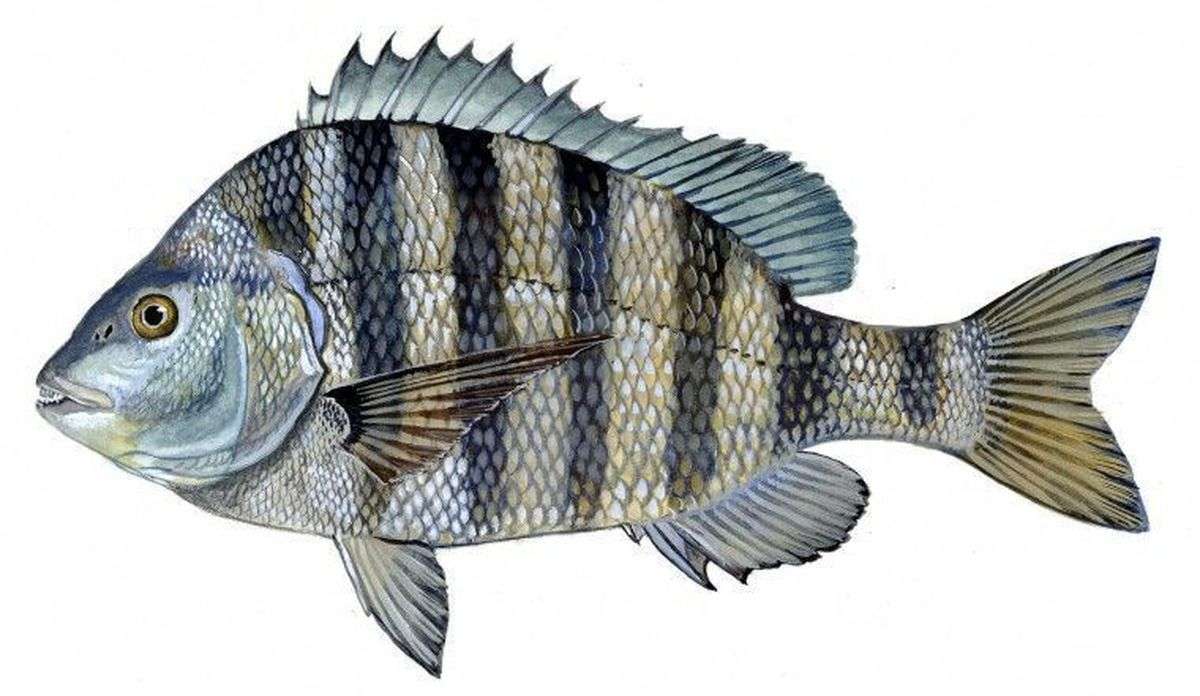
Sheepshead are the "convict fish" of Louisiana waters with their black and white stripes, but what really sets them apart are those human-like teeth they use to crush barnacles and crabs. Most run 2-5 pounds and 14-18 inches, though you might luck into a 8+ pounder around the right structure. These fish live around anything with barnacles - dock pilings, oil platforms, rock jetties, and bridge supports in 5-25 feet of water. Winter and early spring are best when they stack up before spawning. They're notorious bait thieves with delicate bites, but once hooked, they put up a solid scrap. The payoff is some of the best eating in the Gulf - sweet, white meat that's hard to beat fried or grilled. The trick with sheepshead is getting your bait tight to structure where they feed, using small hooks with fresh shrimp or fiddler crabs, and setting the hook fast when you feel any movement.
Southern Flounder
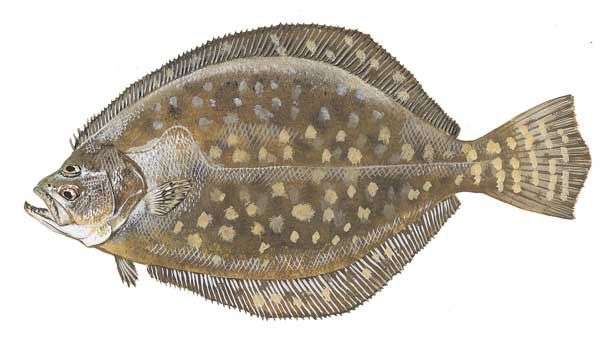
Southern Flounder are masters of camouflage - these flatfish bury themselves in sandy and muddy bottoms, waiting to ambush prey. They're easily spotted by both eyes being on their left side and dark blotches covering their topside. Most run 15-18 inches, but you can catch some pushing 25+ inches in deeper channels. They love structure like oyster reefs, grass beds, and channel edges in 3-15 feet of water. Fall and early winter are prime time when they're moving toward spawning areas. What makes them fun is the surprise factor - you'll feel weight more than a strike since they inhale bait from below. The meat is excellent, white and flaky when cooked right. My tip: use a slow drift with live shrimp or finger mullet on a Carolina rig, and when you feel that telltale tap-tap, wait a second before setting the hook - they need time to fully take the bait.
About the Key West
%2F%2Fusers%2Fd3e619b0-8e8d-4821-a2b5-713328e40ea1%2Fvehicle_picture%2F4e2a16f1-abaa-498c-bc1a-eb2e358c5de6.jpg&w=1200&q=75)
Vehicle Guest Capacity: 5
Manufacturer Name: Suzuki
Maximum Cruising Speed: 50
Number of Engines: 1
Horsepower per Engine: 300